New Workforce Model Builds Sovereign Capability in Electronic Warfare

DSTG has partnered with South Australian electronic warfare consulting company, DEWC Services, to grow the next-generation of electronic warfare (EW) specialists.
As part of DEWC’s graduate program, early-career engineers are working with seasoned scientists from DSTG developing important Defence capability, while at the same time enabling the sharing of critical EW skills and expertise.
A challenge shared is a challenge halved
Allan Dundas, Managing Director, DEWC Services, explains that this ‘shared support’ model arose from his organisation’s passion for solving EW problems for Defence, and a realisation that the shrinking workforce capacity was as big a challenge as developing new EW technology.
“We have a lot of people in DEWC Services who are ex-Defence (including DSTG alumni) who’ve had a career change,” he says. “We facilitate retention of these key people in the EW community to support Defence needs but we realised that we needed to add new people to the overall pool.”
DEWC Services has taken the initiative on two fronts to address this. The first is sharing knowledge through the School of Information Operations (SOIO) to upskill the next generation.
“Through SOIO we are collaborating with DSTG and Flinders University under the Professional EW Training, Education and Research (PEWTER) agreement and are already delivering short and long courses in areas including undersea warfare, space operations, cyber and EW. The second thing we’re doing is investing heavily in graduates. Through this countermeasures project, we’ve joined with DSTG to showcase a new shared approach to developing the future workforce, by sharing the cost, training and mentoring responsibilities.”
Rebuilding the EW workforce
DEWC Services has committed to working with DSTG to create an integrated team of public servants and enduring contractors to rebuild the high-demand EW workforce.
“We are leveraging our experts to mentor and train graduates, and placing them into DSTG to carry out work alongside defence scientists and to get further mentoring from DSTG’s experts. We’re in for the long haul to turn graduates into EW practitioners. We know we have to work with Defence to expand the workforce and I think this is a really innovative and collaborative way to do it.”
Dundas believes one key to success will be to give graduates a strong sense of purpose.
“That’s what will fuel their fires and maintain their passion. We tell our graduates that we’re working with exciting advanced technology but the reason we exist is to help Australia be successful in defending our sovereign interests.”
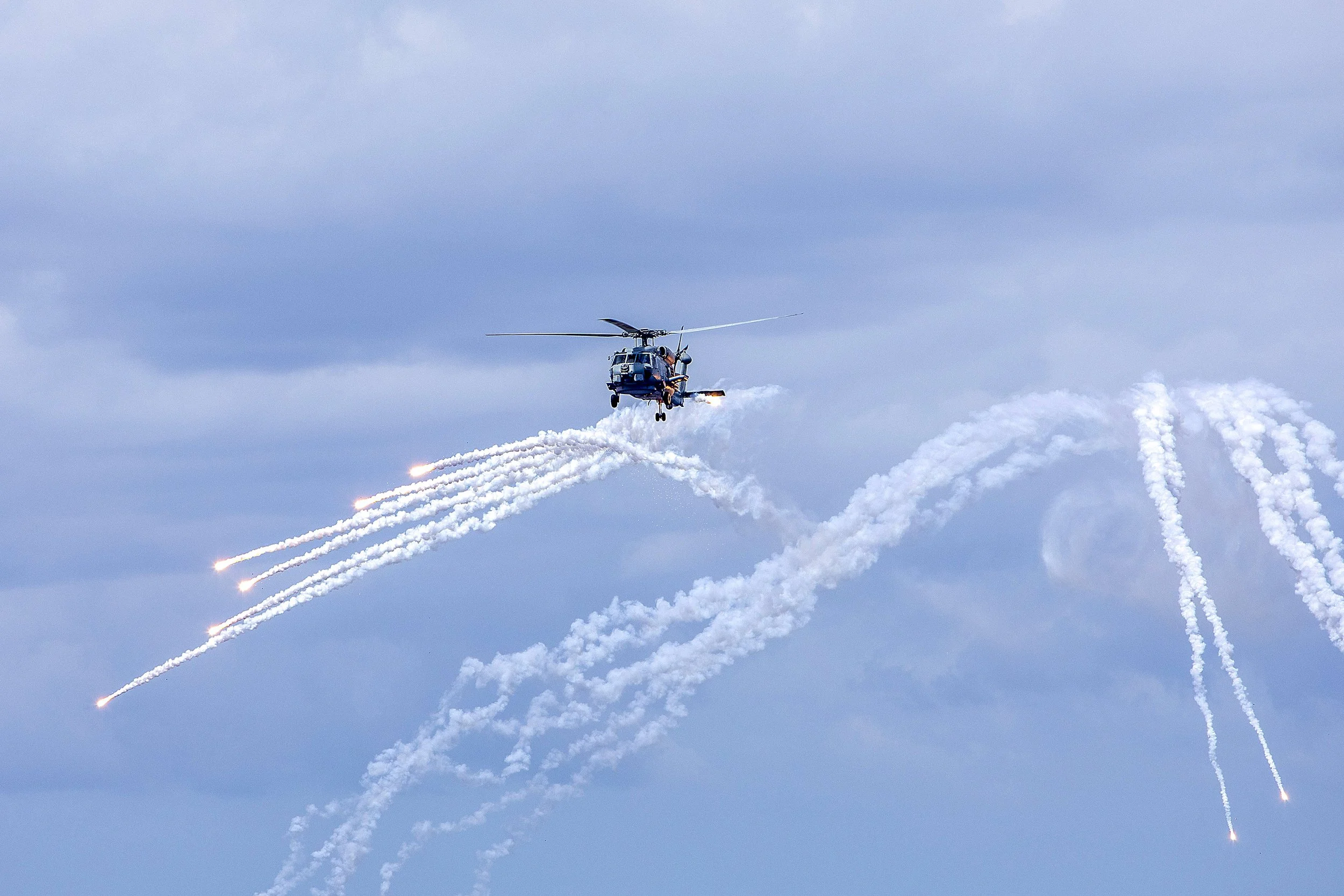
“When our graduates get to go to DSTG and have hands-on experience in the countermeasures domain, it begins to sink in that they are supporting DSTG to develop systems to keep our warfighters out of harm’s way,” says Dundas. “That sense of purpose will give them a reason to want to stay in the EW workforce, and that’s why this new workforce teaming model is vital to support emerging Defence needs.”
Related Articles