From Data to Decision: Delivering Information Advantage for the Australian Army

Image created using AI
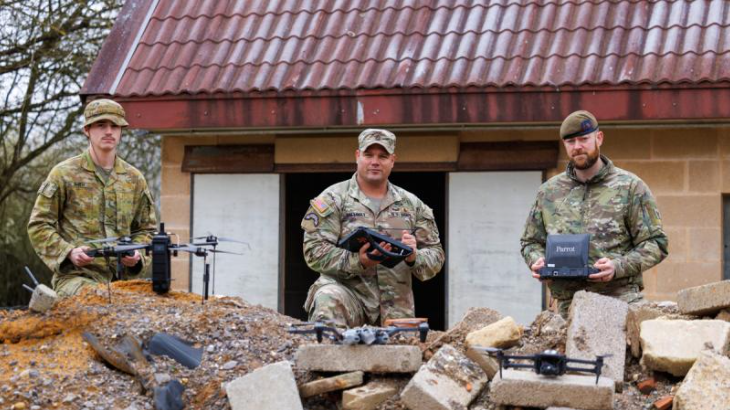
Future Army operations will be conducted in increasingly contested and transparent environments. Sensors, drones, communications systems and autonomous platforms are generating information at a scale never seen before. Commanders will have access to more information than any previous generation of military leaders, yet gaining a clear understanding of the operating environment is becoming more difficult. The challenge is no longer simply collecting information. The challenge is turning information into timely understanding and effective decisions.
For the Australian Army, information advantage comes from the ability to understand the situation, identify threats, coordinate effects and adapt faster than an adversary. It is not simply about possessing more information. It is about transforming information into understanding and understanding into action. Throughout history, forces that moved more quickly through the Observe, Orient, Decide and Act (OODA) cycle gained a significant operational advantage. The principle remains unchanged, even as the volume of information continues to grow.
The modern battlespace is becoming a distributed network of sensors, platforms and people. Every source contributes valuable information, but the volume and speed of that information places increasing pressure on commanders and operators. Developing a coherent picture from multiple sources, understanding what is relevant and acting with confidence are becoming critical military functions.
Operations in the Indo-Pacific are likely to place additional demands on decision-making. Large distances, contested communications, dispersed forces and rapidly changing situations mean that information must be assessed and acted upon quickly. Delays in understanding the situation can create delays in action.
Many Defence organisations are responding by placing greater emphasis on experimentation, operational analysis and closer collaboration between operators, researchers and industry. These approaches help explore operational problems earlier, evaluate potential solutions and build confidence in capability decisions before significant investment is made.
The organisations that gain an advantage in future conflict will be those that can consistently turn information into understanding and understanding into action. Faster decisions, informed by better information and supported by trusted processes, provide commanders with greater freedom to seize opportunities, manage risk and adapt to changing conditions.
Information advantage is ultimately about helping Australian soldiers and commanders make sound decisions under pressure and act with confidence when it matters most. As military operations become increasingly complex, the ability to transform information into operational advantage will remain a defining characteristic of effective fighting forces.